The Footprints
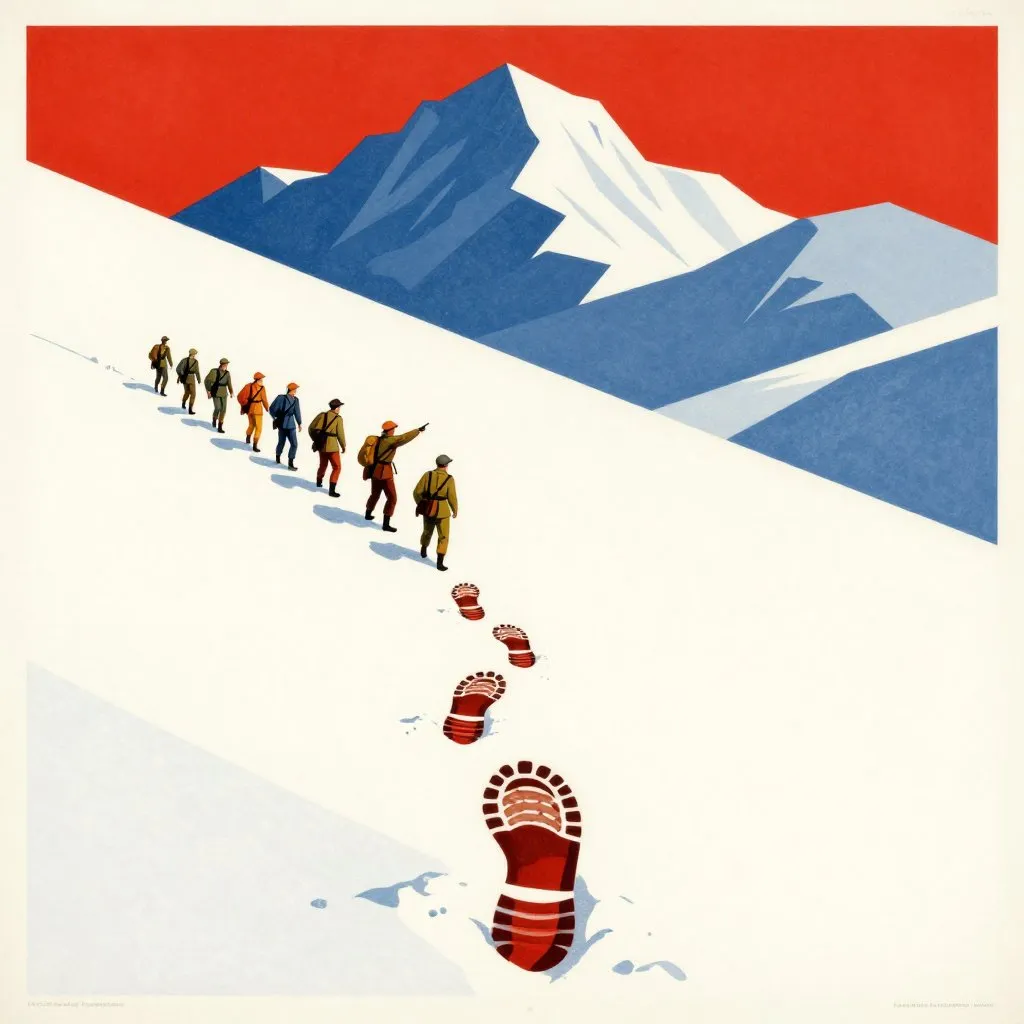
In 1921, Lieutenant Colonel Charles Howard-Bury was doing important British things on the north face of Mount Everest. Surveying. Documenting. Generally suffering in a dignified way. At roughly 21,000 feet, where the air is thin enough to make bad decisions feel reasonable, his team found footprints in the snow. Large ones. Walking upright. Headed nowhere anyone wanted to follow.
The Sherpas had a name for whatever left them: "metoh-kangmi." The translation is disputed, but lands somewhere near "man-bear snowman" or "filthy snowman," depending on who you ask. What it does not mean, in any dialect, is "abominable." That part came from a journalist named Henry Newman, who heard the story secondhand, decided "filthy" lacked drama, and filed his copy accordingly. The Western world read it over breakfast and immediately wanted more.
Howard-Bury thought the prints were made by a wolf. He said so clearly, in writing, and nobody cared. The Sherpas offered several other theories. Nobody asked them to elaborate. A journalist had already written the headline, and the headline was "Abominable Snowman," and that was the end of the rational part of the conversation.
The footprints were 13 inches long. That is larger than most wolves. It is also larger than most humans. Howard-Bury was probably right about the wolf. Probably. At 21,000 feet, though, in 1921, with no way to follow the tracks and a journalist waiting for his telegram, "probably" felt inadequate. It still does.
The Sherpas Know
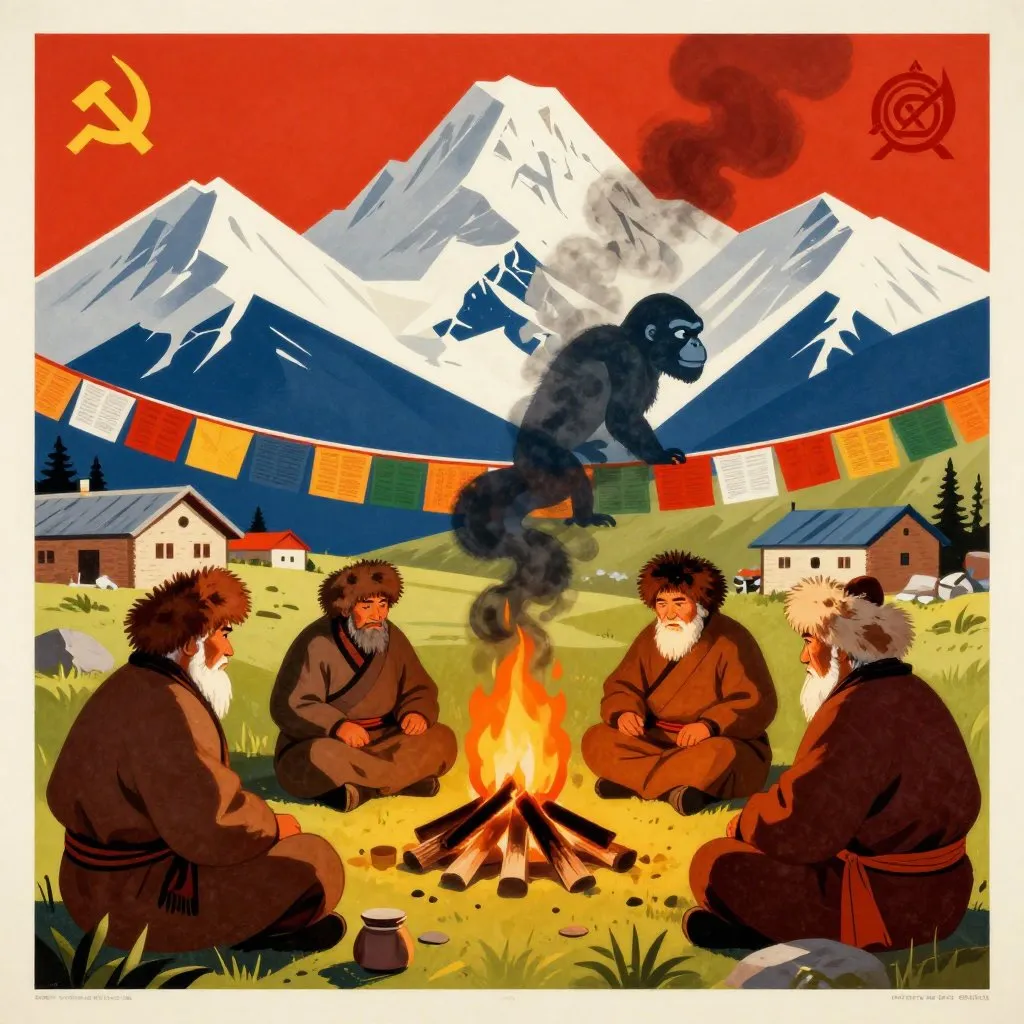
Before a single British expedition set boot in the Himalayas, the people who actually lived there had already worked out that something strange shared the mountains with them. The Tibetan word "yeh-teh" means "rock animal" or "rock bear," depending on the dialect. The Nepali term "ban manchi" means "forest man." These are not the words of people who stumbled onto something unexpected. These are the words of people who had time to think about it and named it carefully.
The descriptions do not agree with each other, and that is worth noticing. In some communities, the creature is enormous and dangerous, a predator that takes livestock and occasionally people. In others, it is shy and avoidant, a large reclusive animal that wants nothing to do with humans. In some stories it walks fully upright. In others it moves on all fours unless startled. The accounts span different elevations, different valleys, different centuries. The creature in the stories is not one consistent thing. It is whatever the mountains produced in that particular place, at that particular altitude, at that particular moment.
Western cryptozoologists have spent decades trying to reconcile these accounts into a single species profile. A height range. A weight estimate. A diet. A range map. The Sherpas have watched this exercise with the patience of people who understand that the mountains are not cooperating and never will. The creature does not need a profile. It has been here longer than the attempt to classify it, and it will be here after the last expedition packs up and flies home.
The Scalp
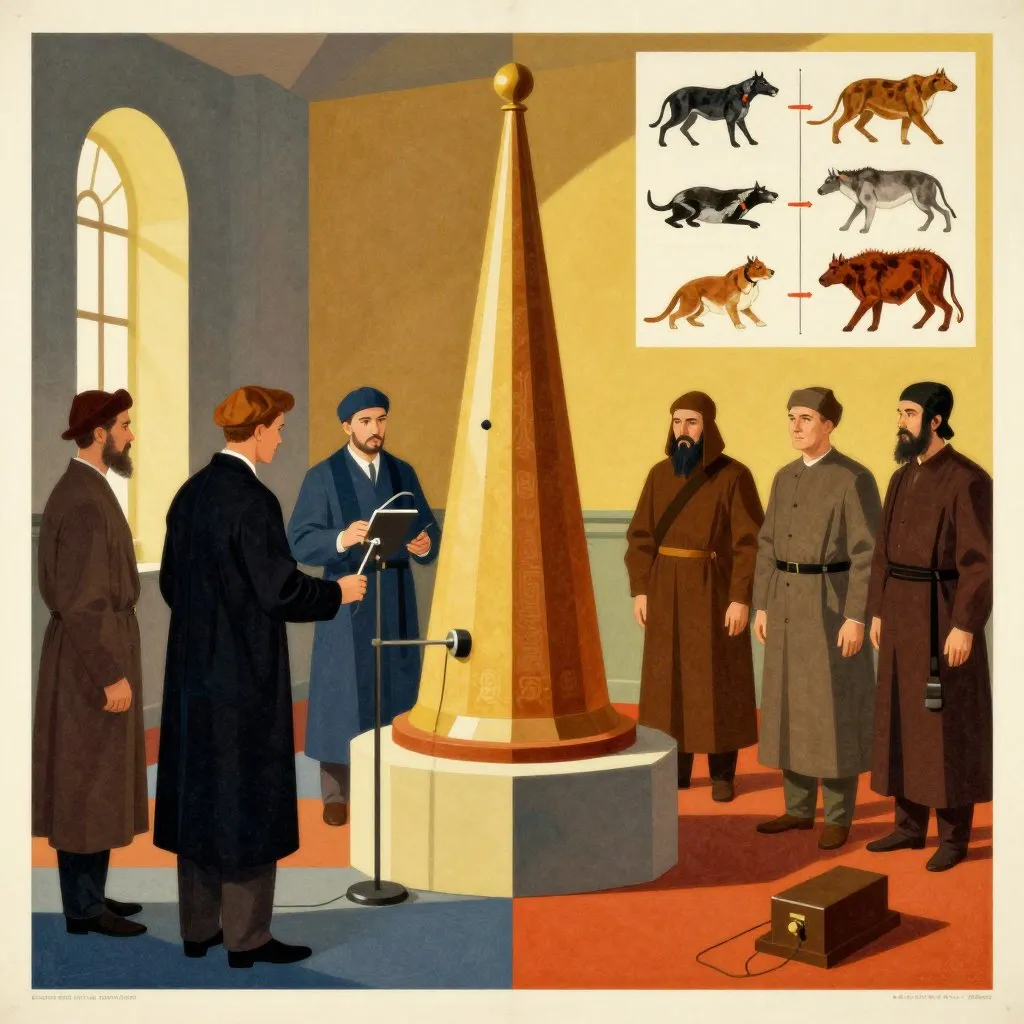
The Pangboche monastery sits at 13,000 feet in the Khumbu region of Nepal, which is already high enough that your body quietly protests everything you ask it to do. For decades, the monastery displayed a relic: a conical, reddish-brown object said to be the scalp of a Yeti. It did not look like any known animal. It looked, depending on your disposition, either like proof of something extraordinary or like a very old hat.
In 1960, Sir Edmund Hillary borrowed it. Hillary had summited Everest in 1953, so he had the kind of credibility that gets monasteries to lend you their sacred objects without too much paperwork. He took the scalp to institutions in Europe and the United States. Scientists examined it. Tests concluded it was made from the hide of a serow, a goat-like Himalayan mammal with the aesthetic sensibility of a very disappointed mop. The scalp was not a Yeti scalp. It was a very old hat made from goat.
The monastery received the scalp back and continued displaying it. This is not as strange as it sounds. The scalp's meaning had never depended on what it was made of. It was a container for a story, and the story was still true in the way that mattered. Other relics followed over the years: bones, hair, teeth, a purported Yeti hand from another monastery that was quietly missing a few fingers by the time scientists got to it. Each was tested. Each was a known animal. Bears, mostly. The Himalayas have a lot of bears, and apparently some of them have very devoted fan bases.
The Expeditions
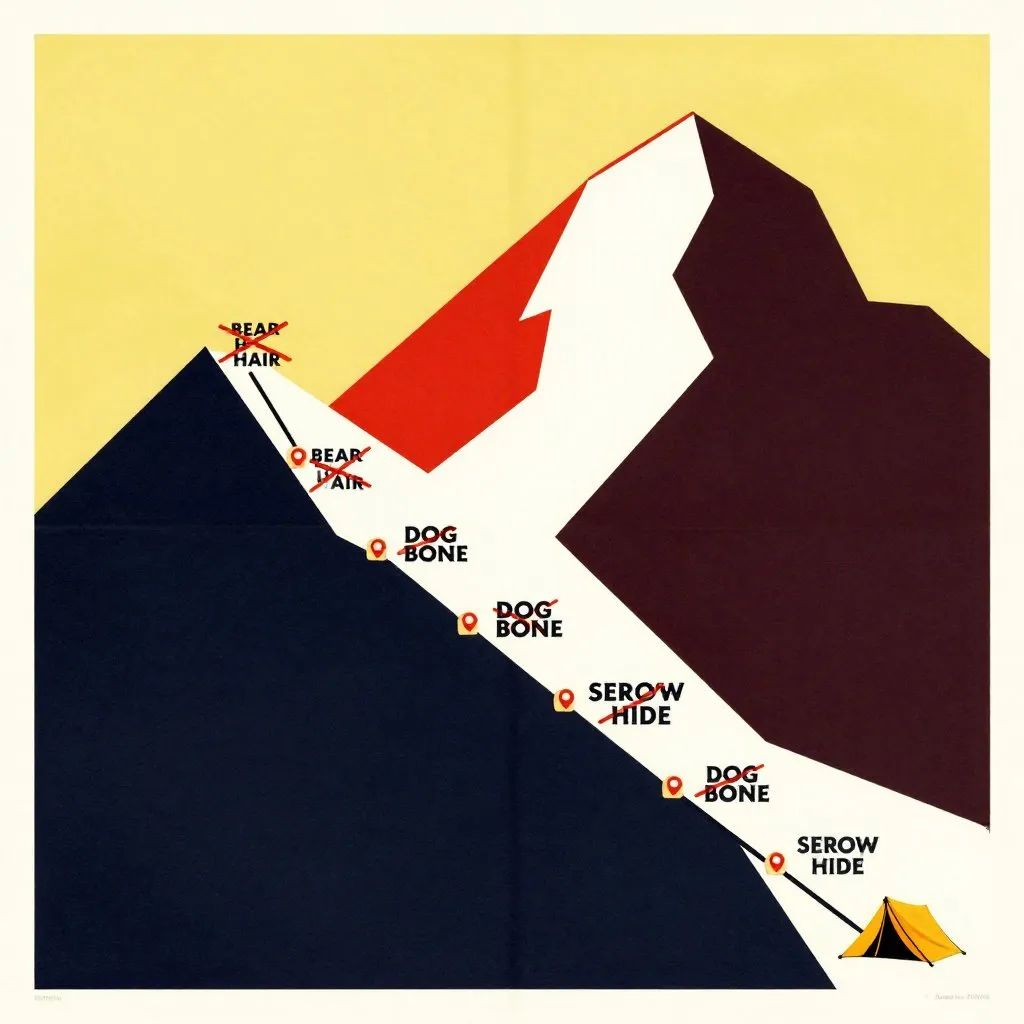
The 1954 Daily Mail Yeti Expedition is one of the great expedition names in the history of expedition names. A newspaper funded a team of men to go to the Himalayas and find the Abominable Snowman. They found tracks. They collected hair samples. They were gone for months in difficult conditions. The hair was later identified as belonging to a bear. The Daily Mail published the story anyway. They had an expedition to report on.
The expeditions kept coming. In 2007, American television presenter Josh Gates was filming near a Himalayan river when he found what he was fairly certain was a Yeti footprint. He made a plaster cast. He brought it back. Experts looked at it. The cast was real; nobody disputed that. What made the footprint was less clear. Gates was politely told that the evidence was inconclusive, which is how scientists say "we don't think so" to someone holding a plaster cast on camera.
The most rigorous attempt came in 2017, when Charlotte Lindqvist of the University at Buffalo led a team that collected nine purported Yeti specimens from museums and private collections across the Himalayan region. Bones. Hair. Teeth. Things people had been holding onto for years with some confidence that they represented something significant. The team sequenced mitochondrial DNA from all nine samples. Eight were bears: Himalayan brown bears, Tibetan brown bears, Asian black bears. One was a dog. Nobody asked the dog how it felt about this.
The Bears
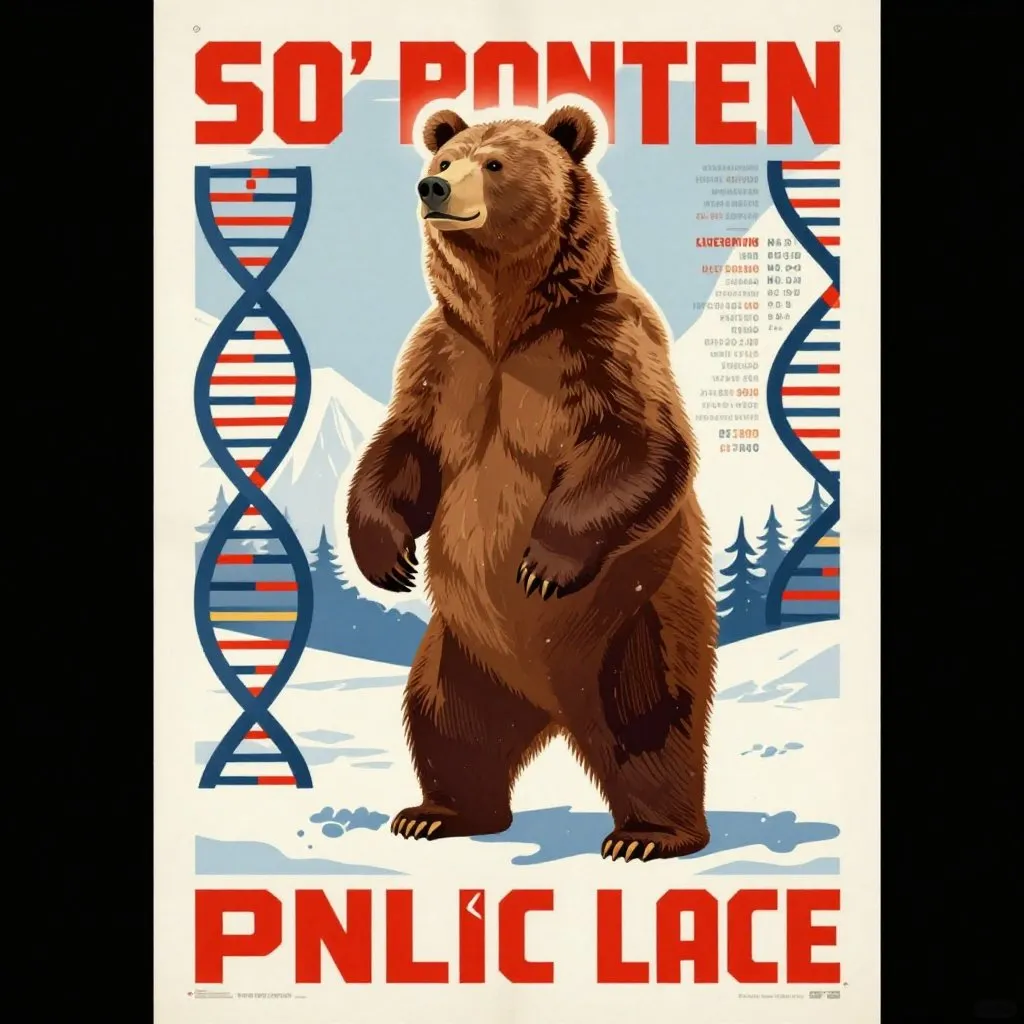
Lindqvist's study did something the Yeti hunters had not expected. In the process of demonstrating that the specimens were all bears, it revealed that the Himalayan brown bear and the Tibetan brown bear are genetically distinct populations that separated from each other approximately 650,000 years ago. Different glaciation patterns, different valleys, 650,000 years of going their separate ways. The paper was published in the Proceedings of the Royal Society B. It contained no Yeti. It was still a genuinely remarkable piece of science that everyone ignored because it was not about the Yeti.
A Himalayan brown bear stands over six feet tall on its hind legs. It is covered in thick, pale fur that can look white in snow and shadow. It walks upright when it wants to, which is more often than you would expect from something that heavy. Its footprints in snow, especially older prints that have melted and refrozen, are large enough to be ambiguous. At 17,000 feet, in deteriorating weather, with altitude affecting your oxygen levels and therefore your judgment, a Himalayan brown bear doing bear things in low visibility would look exactly like something you did not have a name for.
Reinhold Messner, the first person in history to climb all 14 peaks above 8,000 meters, spent years after his climbing career investigating the Yeti legend. He is arguably the person on earth best qualified to look for something in the high Himalayas. In his 1998 book, he concluded that the Yeti is the Tibetan blue bear, one of the rarest subspecies of brown bear in existence. Messner is not a credulous man. He has outlived conditions that kill most people. His conclusion carries weight. The Yeti is probably a bear that lives at altitudes where almost nothing else does, in terrain where almost nobody goes, occasionally being seen by someone whose brain is running on about 60 percent of its usual oxygen.
The Mountain Keeps Its Secrets
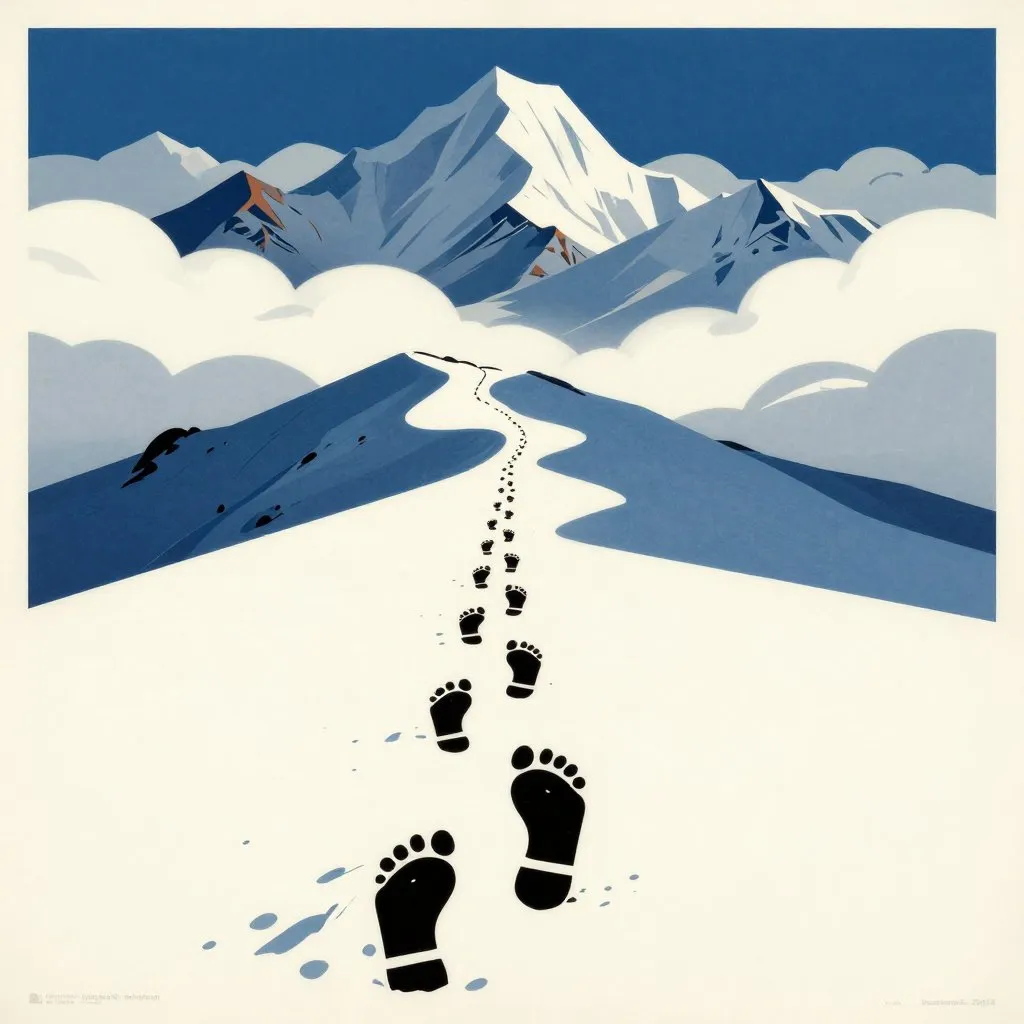
Mount Everest is 29,032 feet tall. The Himalayan range contains 14 peaks above 8,000 meters, and between them lie glaciers, valleys, and high-altitude forests that have never been fully surveyed. The range is large enough and difficult enough that scientists are still describing new species within it. In 2020, researchers identified a new species of primate from the region. Not a new subspecies. A new species. In a world with satellites and GPS and fiber optic cables running under the ocean, the Himalayas are still doing what they have always done, which is keeping things to themselves.
The Yeti is probably a bear. The DNA evidence points that way. The misidentification theory holds up. The altitude, the oxygen deprivation, the rare encounters in poor visibility: it all fits. "Probably," though, is carrying a lot of weight in that sentence, and the Himalayas are the specific kind of place where "probably" has always had room to be wrong. New mammal species are still turning up. The terrain is still mostly unsurveyed. The bear theory is the best theory. It may not be the last one.
Somewhere above the tree line, where the snow has never been touched and the air is thin enough to make the world feel uncertain, there are footprints. They lead up and away and do not come back. They belong, in all likelihood, to a bear: a shy, high-altitude bear that would rather not be found, which, in fairness, is a reasonable preference. But the mountain has not confirmed this. It has not confirmed anything. It has simply continued being enormous and cold and full of things that have not been named yet. Which is the closest thing to an answer anyone has managed to get.
Field Notes
- The term "Abominable Snowman" originated from a 1921 mistranslation by journalist Henry Newman of the Tibetan word "metoh-kangmi," which roughly translates to "man-bear snowman" or "filthy snowman," not "abominable."
- Sir Edmund Hillary and Marlin Perkins examined the Pangboche "Yeti scalp" in 1960 and concluded it was made from the hide of a serow (Capricornis thar), a goat-like mammal native to the eastern Himalayas.
- A 2017 study by Charlotte Lindqvist et al., published in the Proceedings of the Royal Society B, analyzed nine purported Yeti samples using mitochondrial DNA sequencing. Eight were identified as bears (Himalayan brown bear, Tibetan brown bear, or Asian black bear) and one as a dog.
- The Himalayan brown bear (Ursus arctos isabellinus) is critically endangered, with an estimated population of fewer than 200 individuals in Pakistan's northern areas. Its rarity contributes to its mythological status.
- Reinhold Messner, the first person to climb all 14 peaks above 8,000 meters, spent years investigating the Yeti. In his 1998 book "My Quest for the Yeti," he concluded that the legend is based on encounters with the Tibetan blue bear (Ursus arctos pruinosus), one of the rarest subspecies of brown bear.
Dig Deeper
Want the facts behind the folklore? Explore the real history of the Yeti, from Himalayan tradition to DNA analysis.
Learn more about the Yeti